

Choosing a China Underfloor Heating Insulation Supplier: Importers Guide
Chinese factories supply a significant share of the underfloor heating insulation components used in European and international markets. XPS boards, pipe-fixing clips, edge strips and reflective films from the right Chinese manufacturer meet the performance requirements of EN 1264 and DIN 4726. The opportunity is clear: competitive pricing, scalable production and product quality that matches domestic alternatives. The challenge is distinguishing a genuine factory from a trading intermediary, and structuring the sourcing relationship so that quality, lead times and financial risk are all managed effectively.
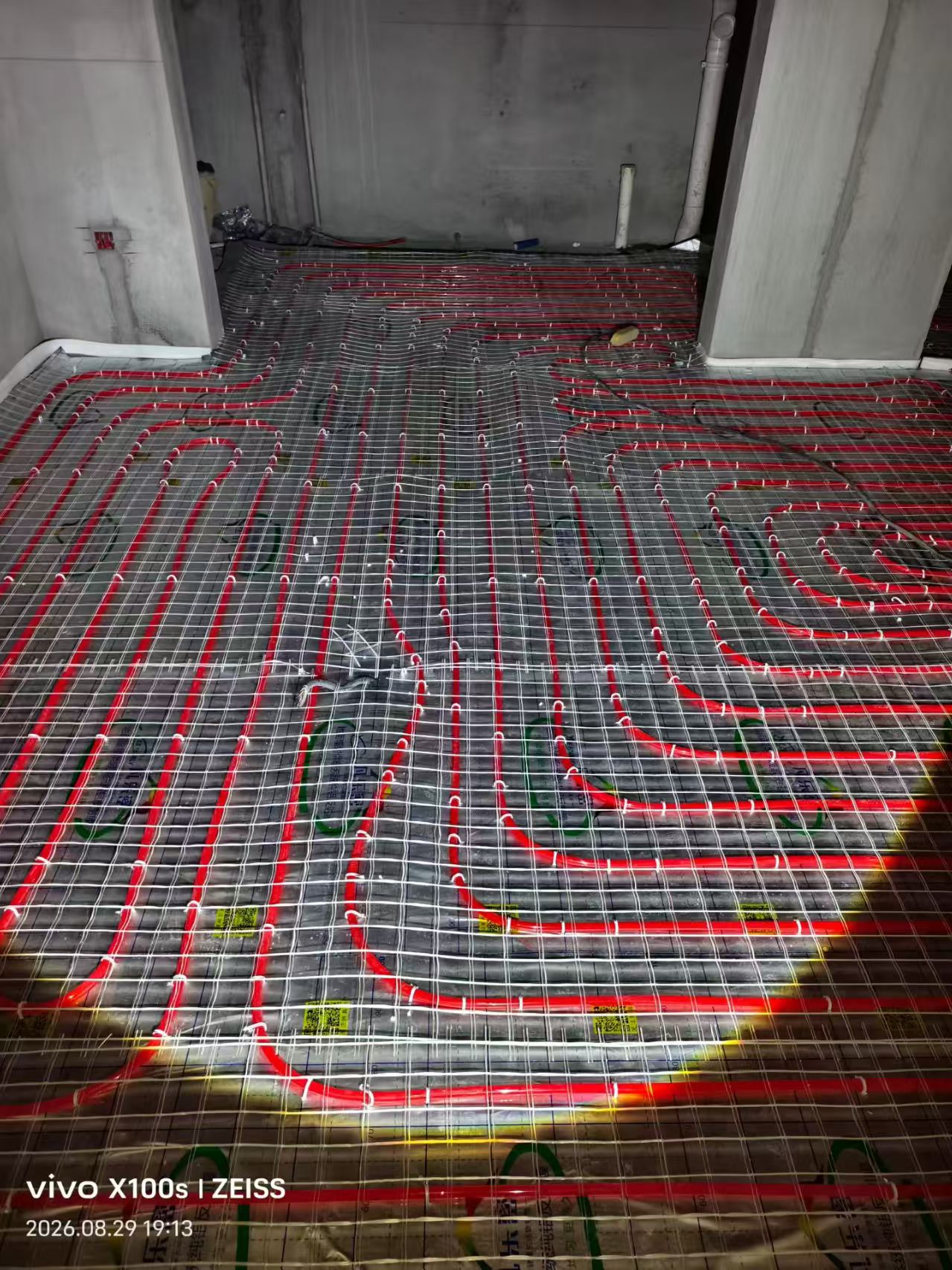
Factory or Trading Company: Why the Distinction Matters
A trading company does not own production facilities. It arranges purchases from one or more factories without controlling what happens on the shop floor. For an importer who needs technical documentation, factory inspection records or direct accountability when something goes wrong, a trading company is a structural limitation rather than a supplier in the meaningful sense.
A genuine manufacturer owns and operates its production line. It can offer a factory tour, issue test certificates from an accredited laboratory, and hold ISO 9001 or ISO 14001 quality management certification. When a quality problem arises, the manufacturer has the ability to investigate and correct it internally. Before committing to any supplier, importers should establish whether they are dealing with a company that makes the product or one that arranges its purchase. The answer determines how much control the importer actually has over the quality of what they receive.
Documentation to Request Before Placing an Order
A professional Chinese insulation factory will expect to provide a specific set of documents. Start with the factory business licence confirming the company is a registered manufacturing entity. Request product test reports from a third-party laboratory accredited to international standards, covering thermal resistance, compressive strength, water absorption and fire performance where applicable. Ask for the laboratory name and verify its accreditation independently.
A CE Declaration of Performance is required for products sold into the European Economic Area and should reference the relevant harmonised standard, issued by the factory itself. Material data sheets for XPS boards, edge strips and pipe-fixing clips give the technical parameters needed to confirm the product fits the project specification. Request a physical sample before agreeing to a full container — a factory will send samples readily; a supplier that resists this step is a signal to look elsewhere.
Minimum Order Quantities, Lead Times and Shipping Reality
Most Chinese factories set minimum order quantities that reflect a full container load. This reflects production scheduling economics and is not a point that shifts significantly for a first order. Importers need to calculate whether the required volume fits a 20ft or 40ft container and whether warehouse space is available to receive and store a full load at the destination.
Lead time from order confirmation to goods ready for shipment typically runs 15 to 25 days depending on product complexity. Quality inspection and container loading add a further five to ten days. Sea freight from Chinese ports to major European ports takes 25 to 35 days. Customs clearance and inland delivery bring the realistic total lead time from deposit payment to goods arriving at a European warehouse to eight to twelve weeks. Importers with fixed project start dates should plan accordingly and build in at least a two-week buffer.
Payment Terms and Protecting Financial Risk
Standard terms for first orders are T/T with 30% deposit paid upfront and the remaining 70% payable against a copy of the Bill of Lading. This structure protects the factory with partial payment before production begins while allowing the buyer to verify shipping documents before releasing the balance. For orders of significant value, buyers can request a letter of credit issued through their own bank, confirmed by the factory's bank, adding a meaningful layer of financial protection.
The right payment structure depends on order size, the buyer's relationship with the supplier and the level of risk the buyer is willing to carry. Some importers use trade finance platforms to spread payments on repeat orders while maintaining the direct supplier relationship. Building a direct relationship rather than routing every order through a new intermediary is what makes it realistic to negotiate more favourable payment terms over time.
Verifying Quality Without Travelling to China
Travel to China is not practical for every order. Global third-party inspection companies — SGS, Bureau Veritas and TUV — offer pre-shipment inspection services at factories across China. An inspector visits the production facility, verifies that goods match agreed specifications, checks quantities and reviews packaging. The cost is typically a few hundred dollars and is a fraction of the cost of rejecting a container at the port of destination.
Inspectors will verify dimensions, compressive strength readings, thermal resistance values and visual condition. For XPS insulation boards and UFH pipe-fixing components, confirming these parameters before loading eliminates the most common categories of quality dispute.
The Value of a Direct Factory Relationship
The importers who benefit most from sourcing insulation materials from China are those who build direct relationships with factory manufacturers rather than cycling through intermediaries. A factory that understands the standards and performance requirements of the target market can produce custom dimensions, thicknesses and packaging formats that a generic supplier cannot match. A direct relationship also means that quality issues are managed internally rather than being passed back through layers of communication.
Hebei Huinuanjia Thermal Insulation Materials Co., Ltd. supplies underfloor heating insulation products directly to importers and distributors worldwide, providing documentation, sample evaluation and flexible minimum order quantity options for established customer accounts. A direct factory supplier that knows the target market's standards and requirements gives the importer a genuine competitive advantage that compounds with every repeat order.
References
EU Regulation (EU) No 305/2011. Construction Products Regulation. European Parliament and Council.
ISO 9001:2015. Quality management systems — Requirements. ISO.
BS EN ISO 6946:2017. Building components and building elements — Thermal resistance and thermal transmittance. BSI.